
Best Seller
Please verify your age to enter.
Alcohol and alcohol-free tincture methods, from quick washes to slow extracts, with cleanup and storage notes.
A tincture is the fastest way to go from plant material to a liquid you can measure by the drop, and the method that separates a good one from a green one is timing. A quick wash keeps the steep to a few minutes at low temperature, pulling the activated compounds out while leaving behind most of the compounds that make an extract bitter and dark. A longer soak extracts more, and more of everything else along with it.
Both methods start with material that has already been decarboxylated, and both finish with a filtered liquid that needs the same thing: a cool, dark place to store and a label with the ratio it was made at. The guides here walk through the quick-wash method, a full-plant oil extraction, and an alcohol-free route for anyone who would rather not work with a solvent at all. Each one includes the cleanup notes that matter afterwards, since infusion equipment keeps working better when it is rinsed promptly.
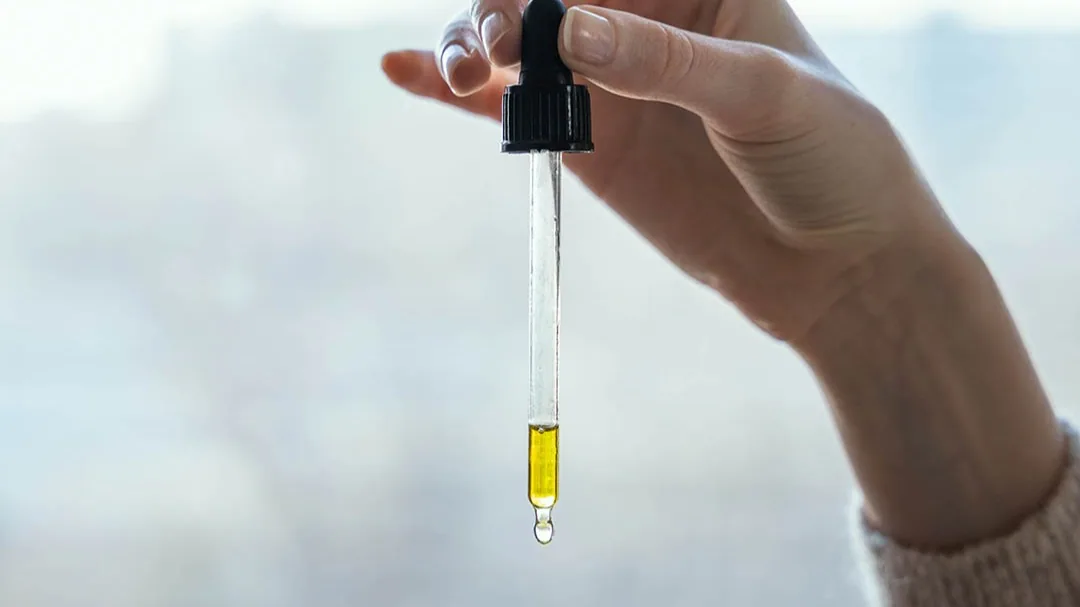
The ultimate guide to gold and clear tincture. Learn HOW TO from ECRU - infuse & decarb expert for homemade infused treats
Interested in making full-plant oil at home? Learn from ECRU - Infuse & Decarb Expert for Homemade Infused Treats
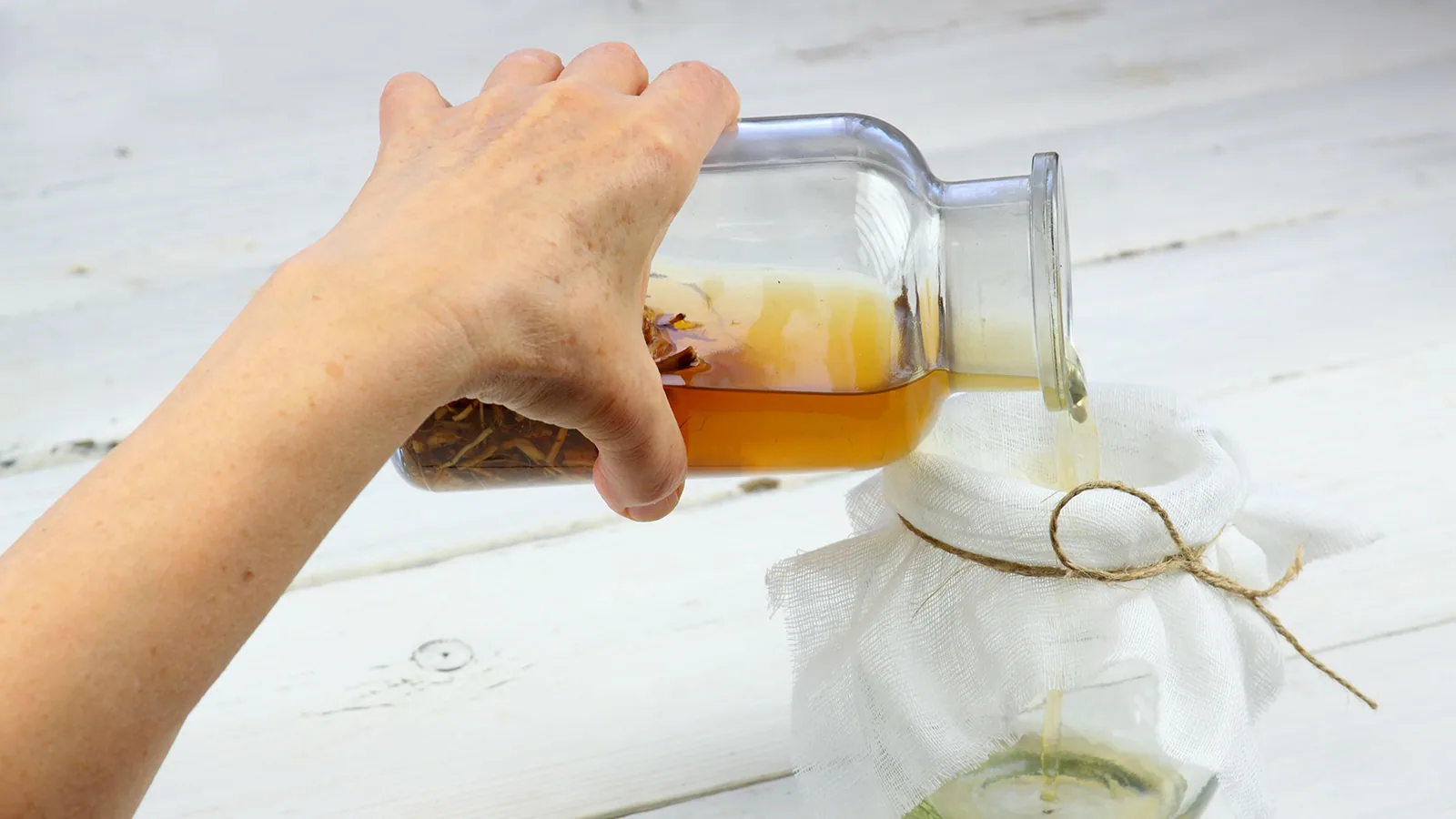
Recently I started making #QWET at home with the ecru kit. Here is why an ice-cold ethanol wash gives such a clean, golden tincture, and when to decarb.
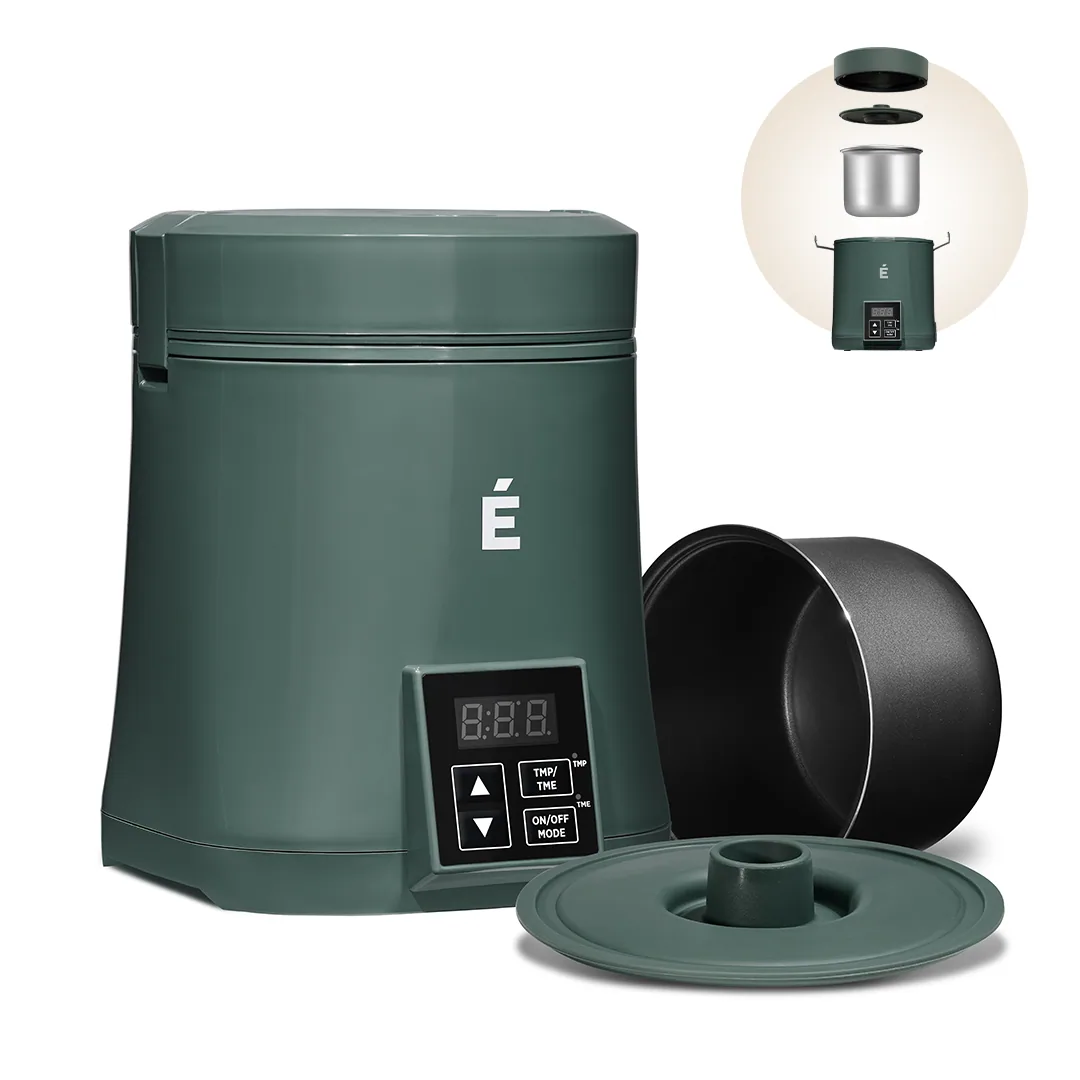
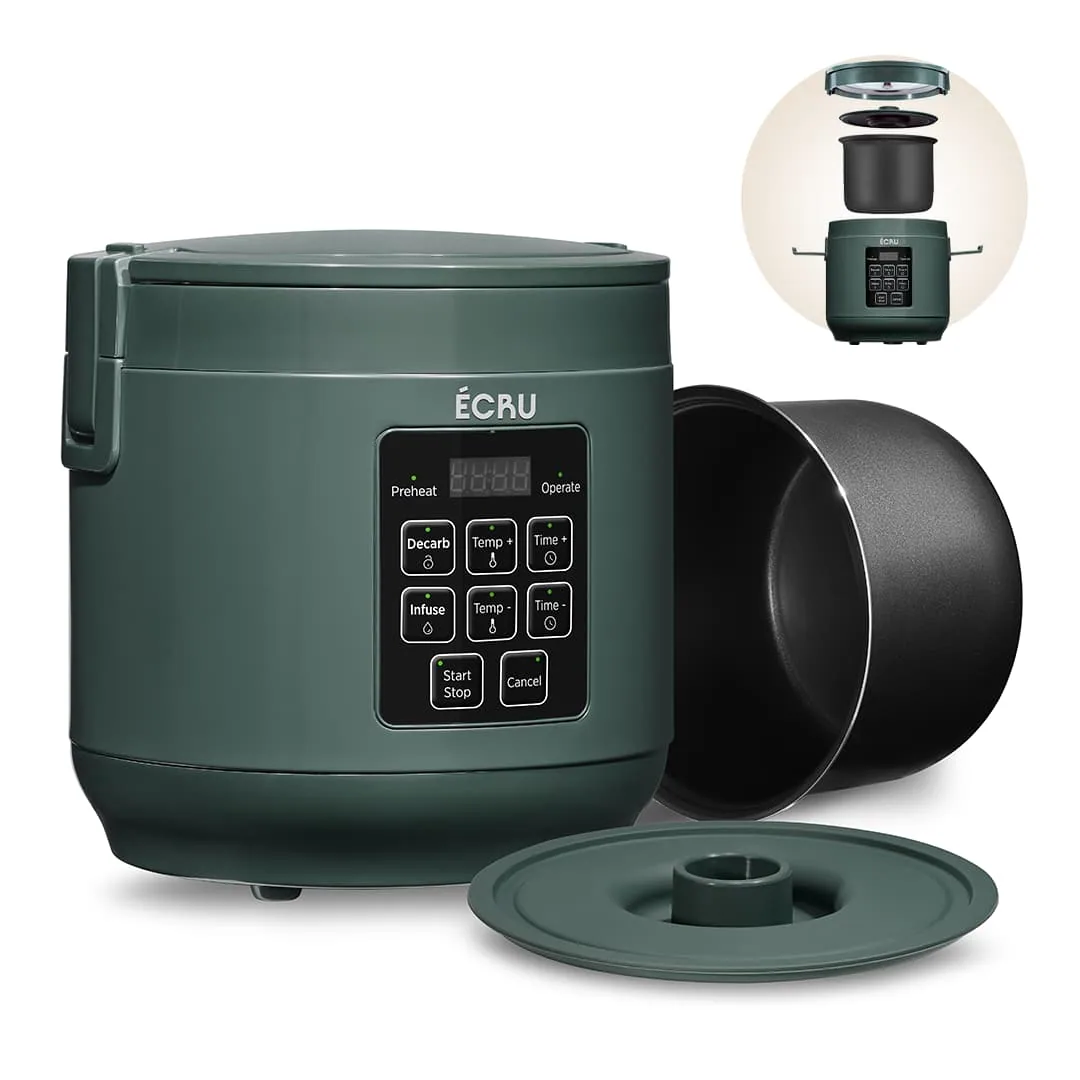
The machines these guides were written around: one decarboxylator for activation, one infuser for the carrier.
Best Seller
New Release