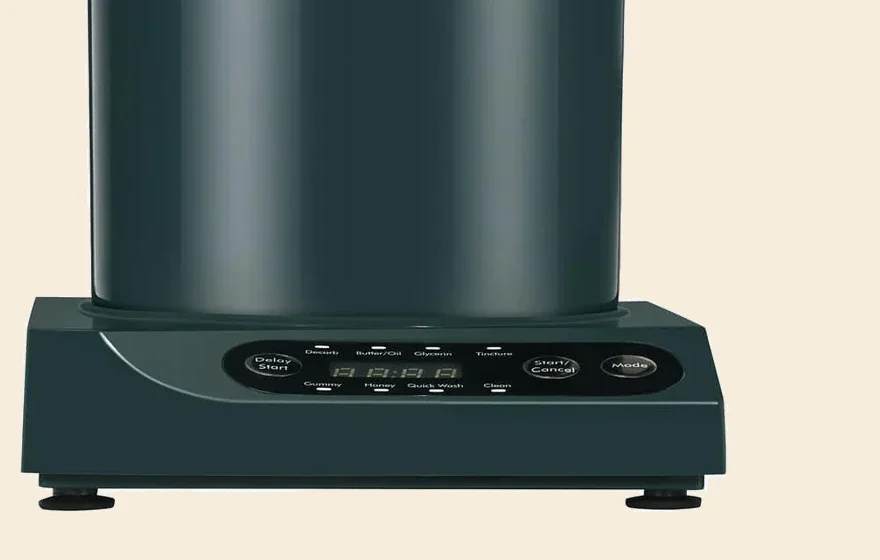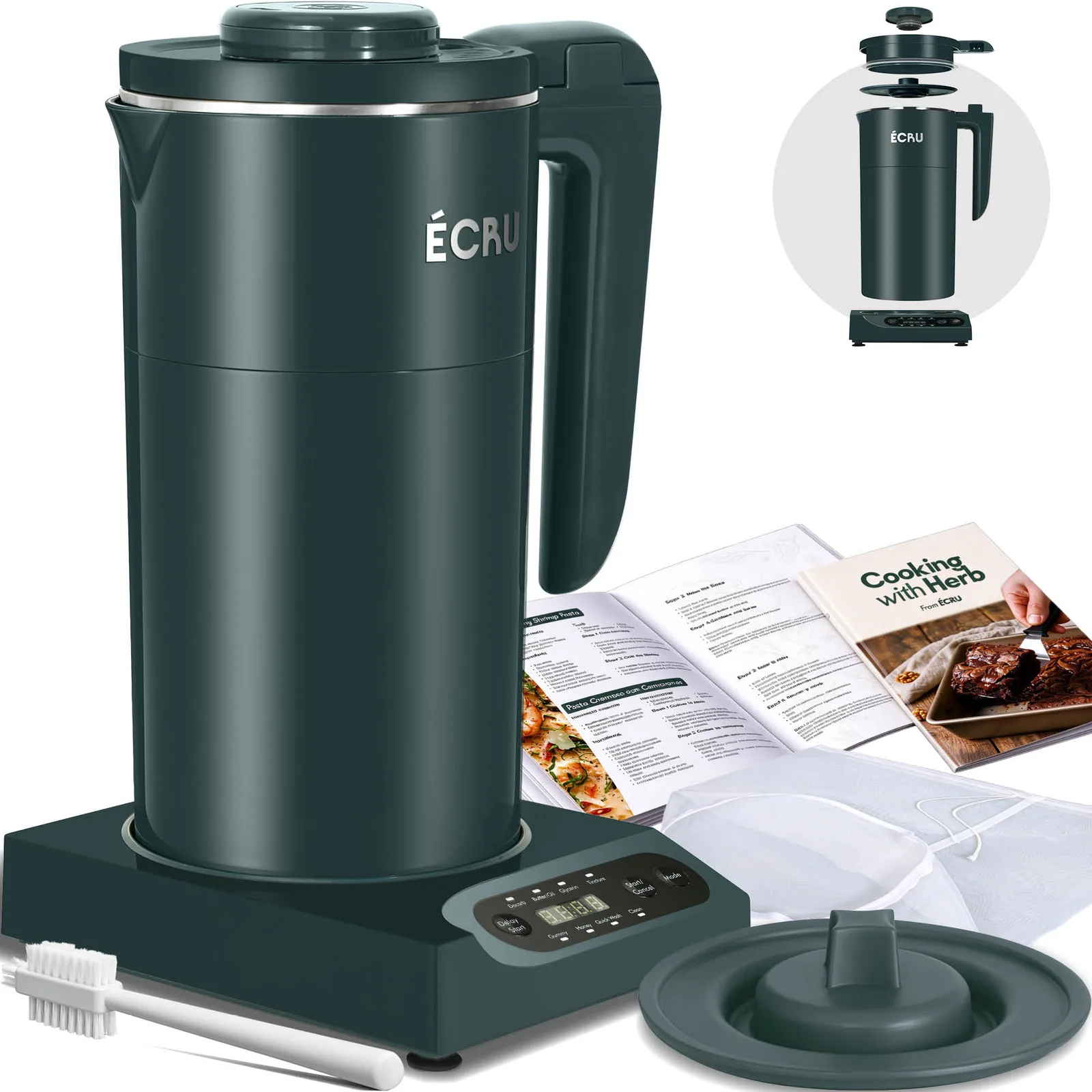
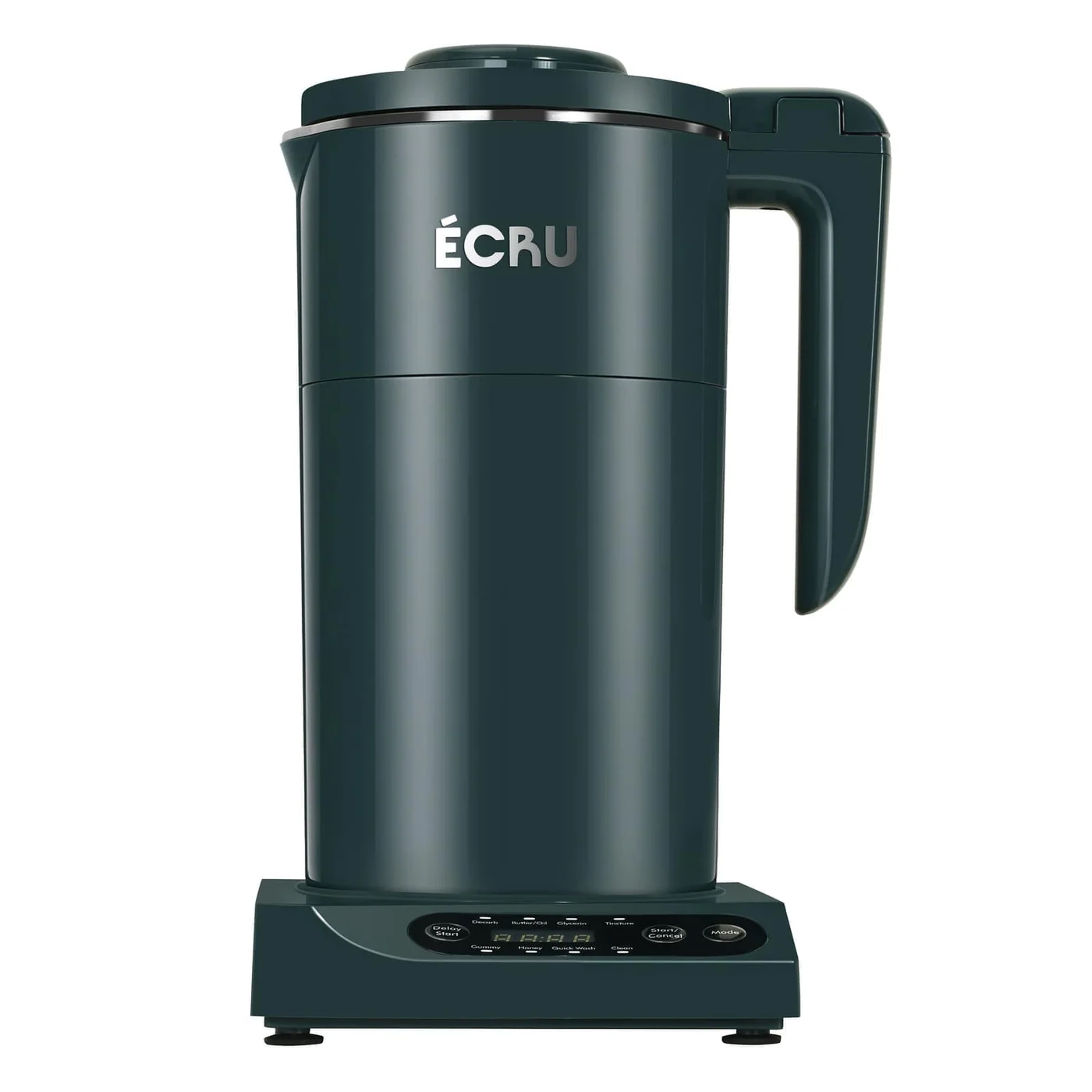
NEW
Please verify your age to enter.
A sealed canister reaches 240 °F, holds it for 30 to 40 minutes, and the kitchen never smells a thing.
Free US shipping · 1-year warranty, lifetime with registration
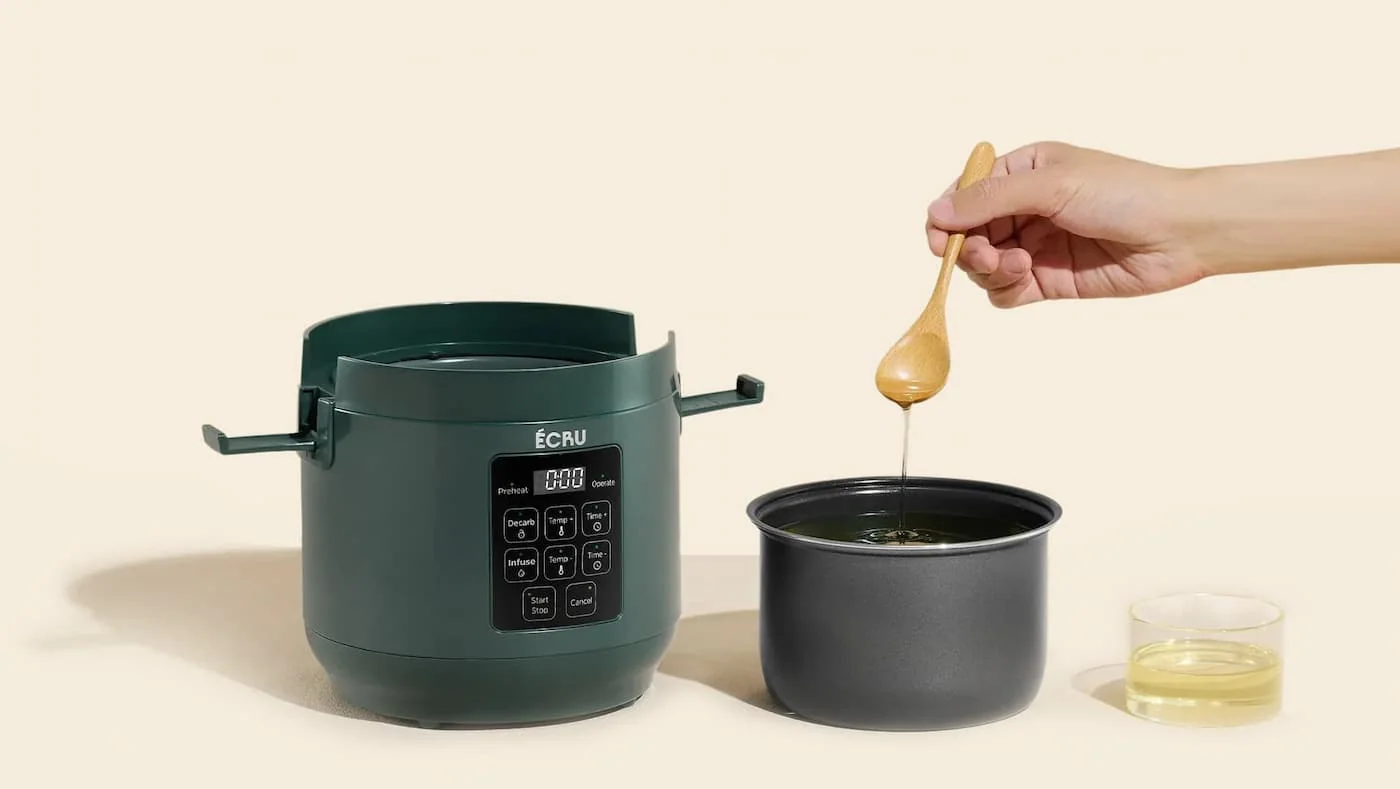
A parchment tray at 240 °F, door closed on an open kitchen. The smell travels the whole house and stays for hours. Heat swings every time the door opens, the edges brown while the centre stays green, and the lightest compounds ride out with the steam.
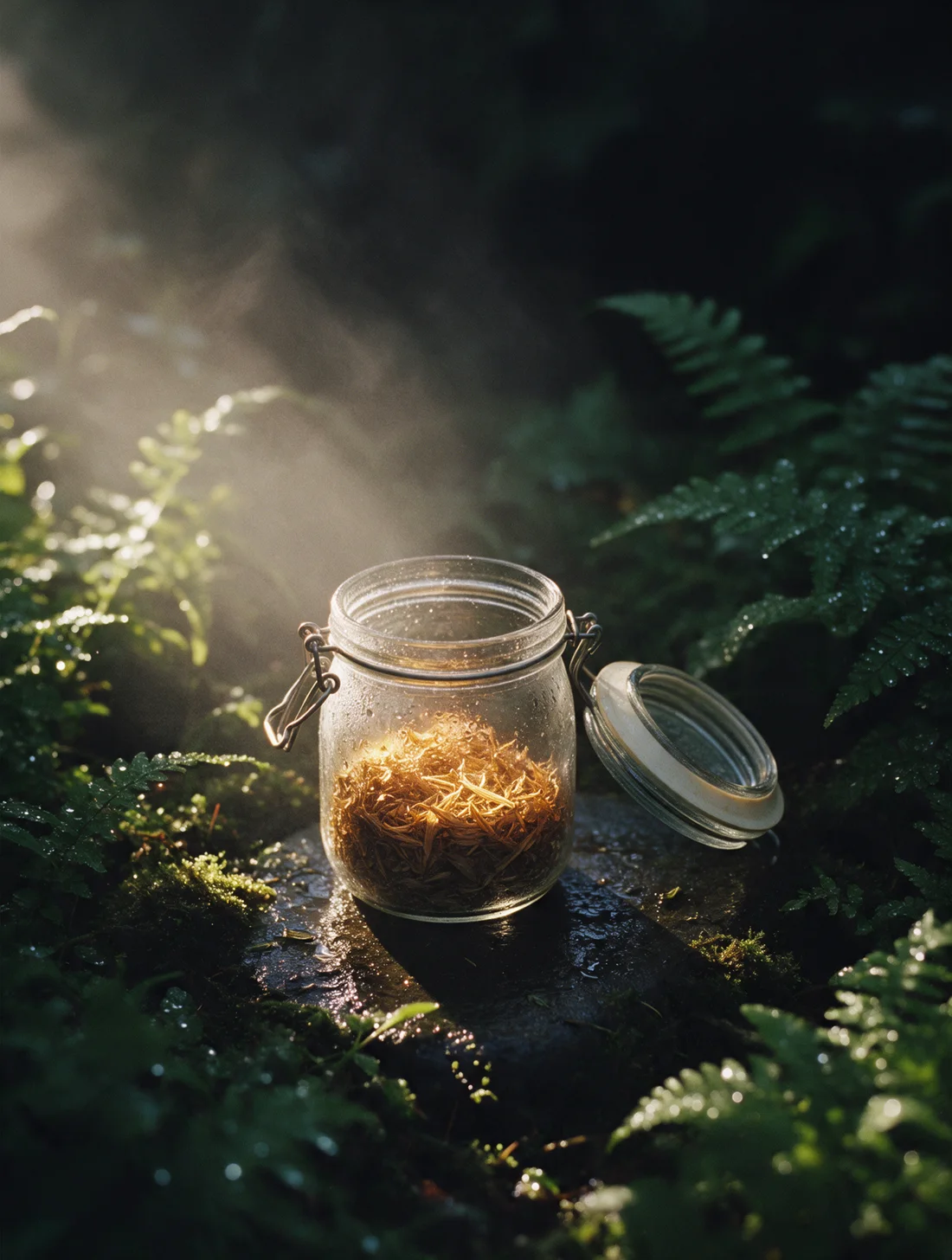
A sealed canister holds the same temperature with nothing leaving it, so nothing escapes and nothing burns off. That is the whole difference: one chamber, one thermostat, one window of time.
Decarboxylator & Infuser 2 in 1 · $106.99
View the 2 in 1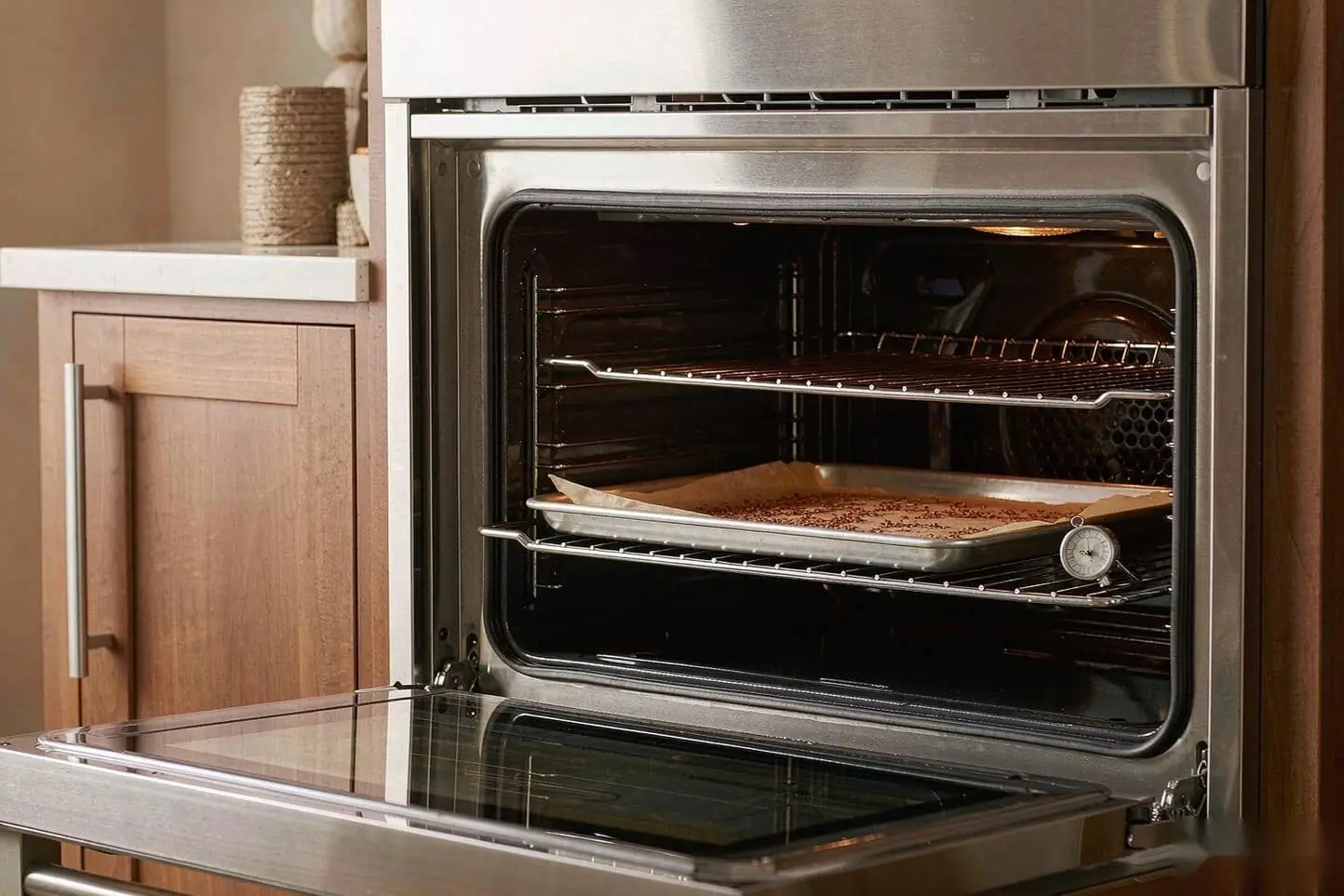
2 in 1, mid-cycle

One machine for a personal batch, one for the counter, one for the whole litre.
NEW
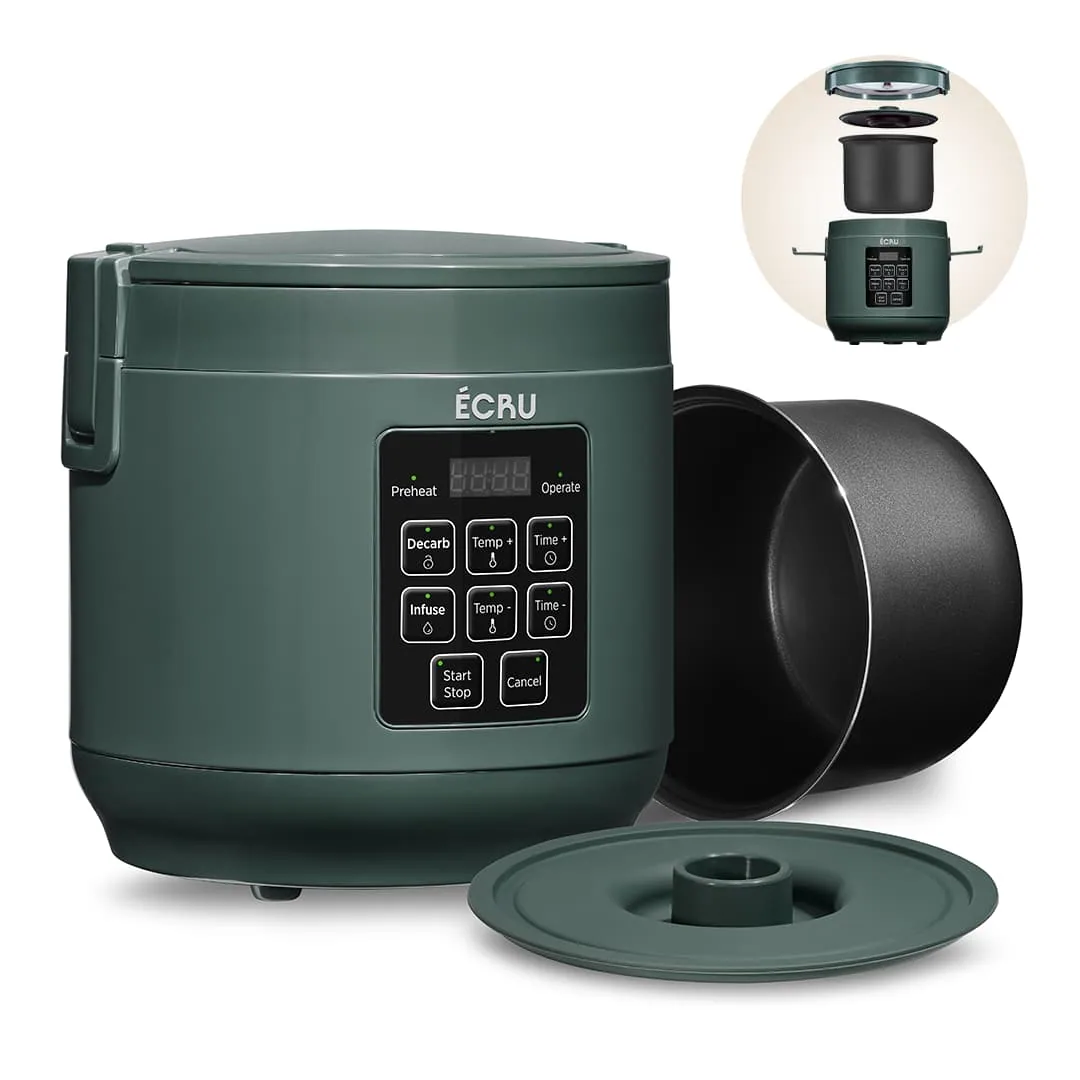
New Release
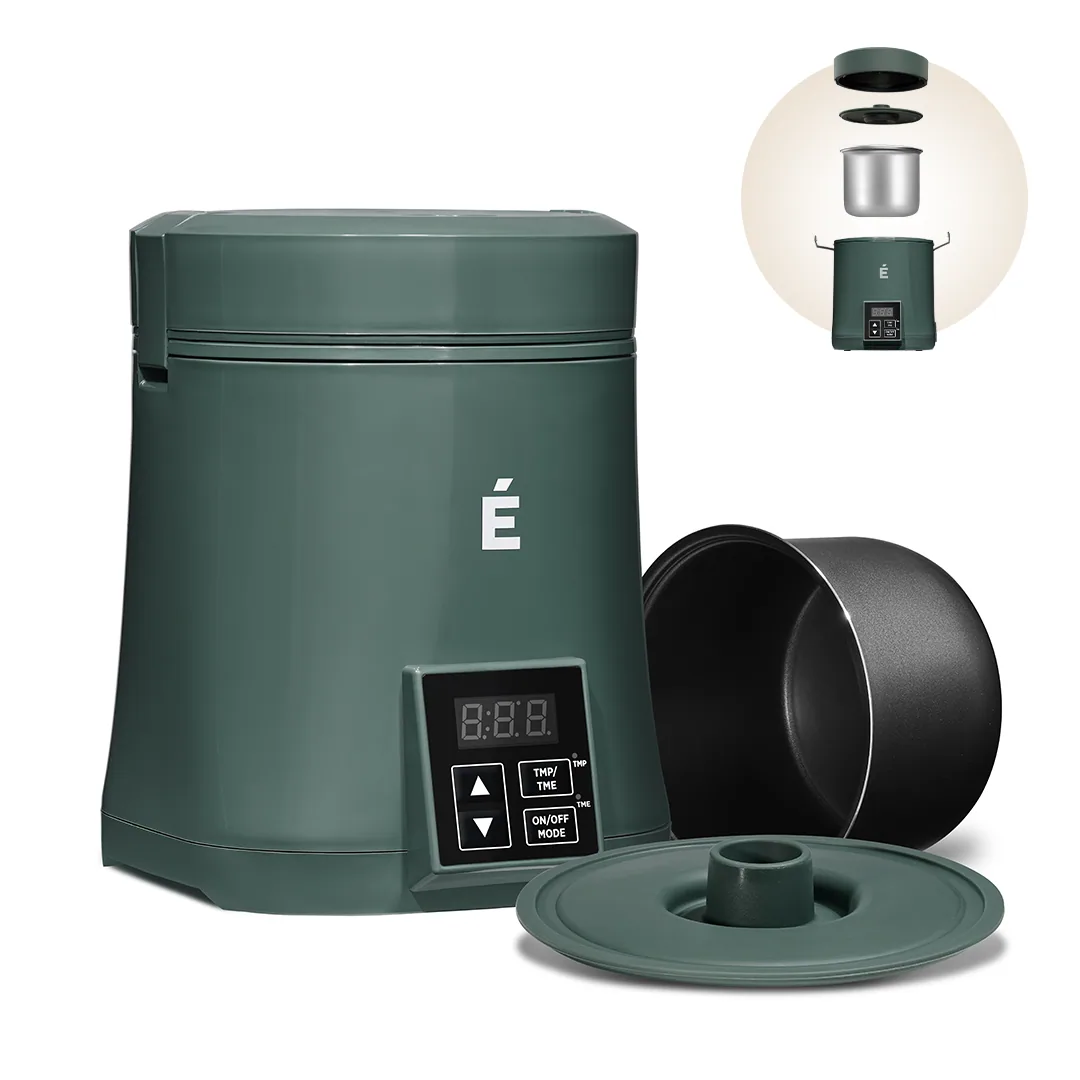
Best Seller
Raw herb does not arrive ready to infuse. Its active compounds sit in an acidic form that the body cannot use, and heat is what converts them. In a home kitchen that used to mean a baking tray on an oven rack, a probe thermometer and a timer you watched, because an oven that swings twenty degrees either under-converts the middle of the tray or scorches the edges.
Two things separate a batch that lands from one that does not. Even heating is the first: full-coverage or wall-and-bottom heat wraps the canister, so the top of the load reaches the same temperature as the base. The seal is the second. A closed canister holds the temperature steady and keeps the aromatic compounds in the material, which is why the unit runs with the house still smelling like a kitchen.
Load the canister loosely so the heat has room to move, and keep batches similar in size from run to run: a thin layer and a full canister do not finish on the same clock.