Decarb Guide
Decarboxylation temperatures, times, and techniques explained, so every batch starts from the same reliable baseline.
Decarboxylation is the one step every other recipe depends on, and it is the one most often done by feel. Raw plant material holds its active compounds in an acidic form; heat converts them, and the two numbers that decide whether a batch converts well are temperature and time. This category collects the guides that work through those numbers in detail: what 240 °F for 30 to 40 minutes does, what happens either side of that window, and how to tell a finished batch from one that stopped early or ran long.
The guides also cover the failure modes that come up in a home kitchen. An oven that swings by twenty degrees browns the outside of a tray while the middle lags behind. Fine material burns before coarse material finishes, so the grind matters as much as the setting. And material left in too long loses the aromatic compounds that were worth preserving in the first place. Read these before a first batch, and again when a batch comes out weaker or harsher than the last one did.
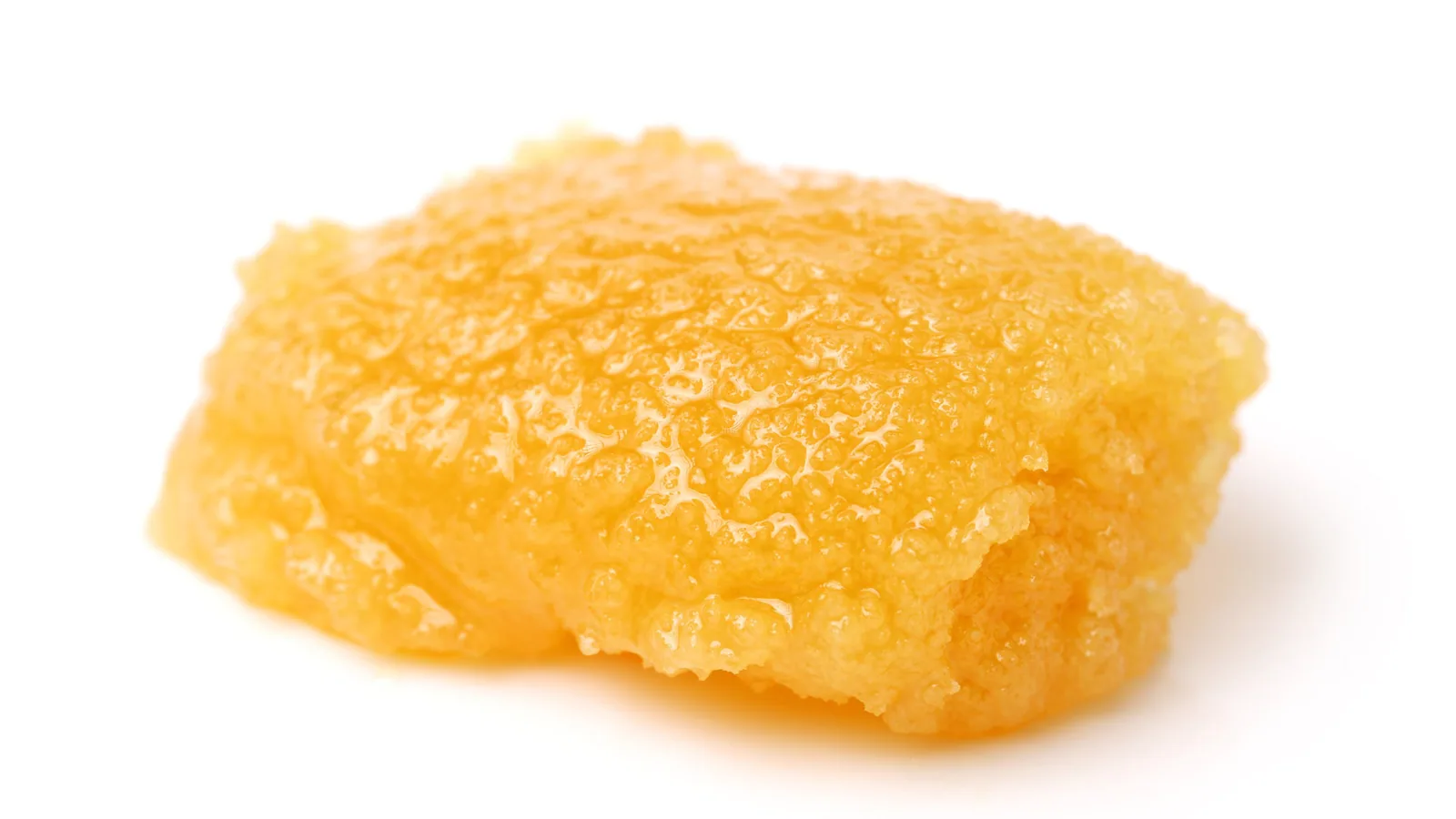
Can You Decarb Plant Extract in Coconut Oil? (2021 Update)
The list of plant products you can use to make infused treats is quite long. Plant extract is an excellent example, and the answer is YES.
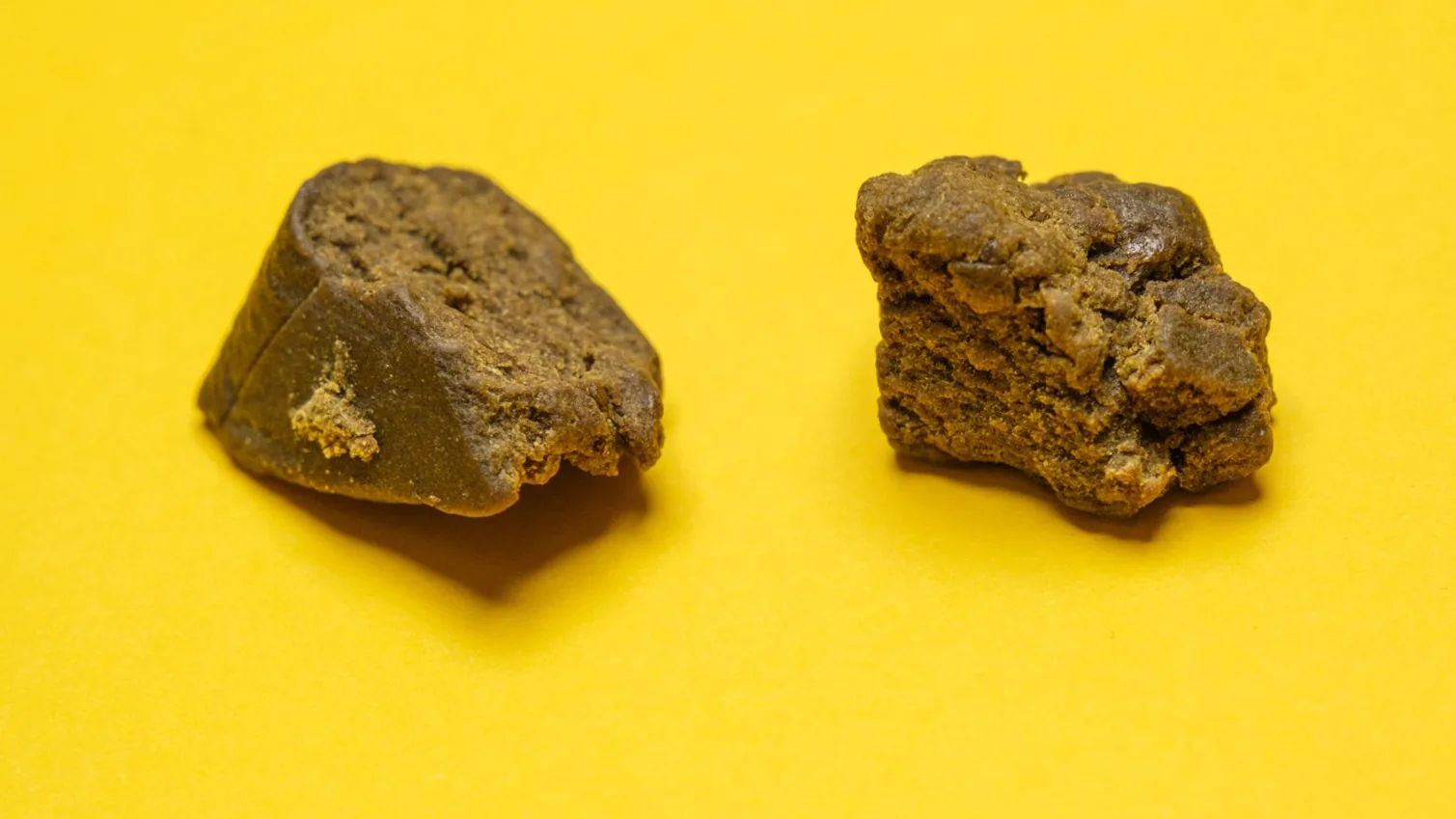
How to Decarboxylate Pressed Plant Material: Time & Temp
Pressed plant material is the most concentrated form of herb and it converts fast. The chart, the oven check, and the method that keeps it from scorching.
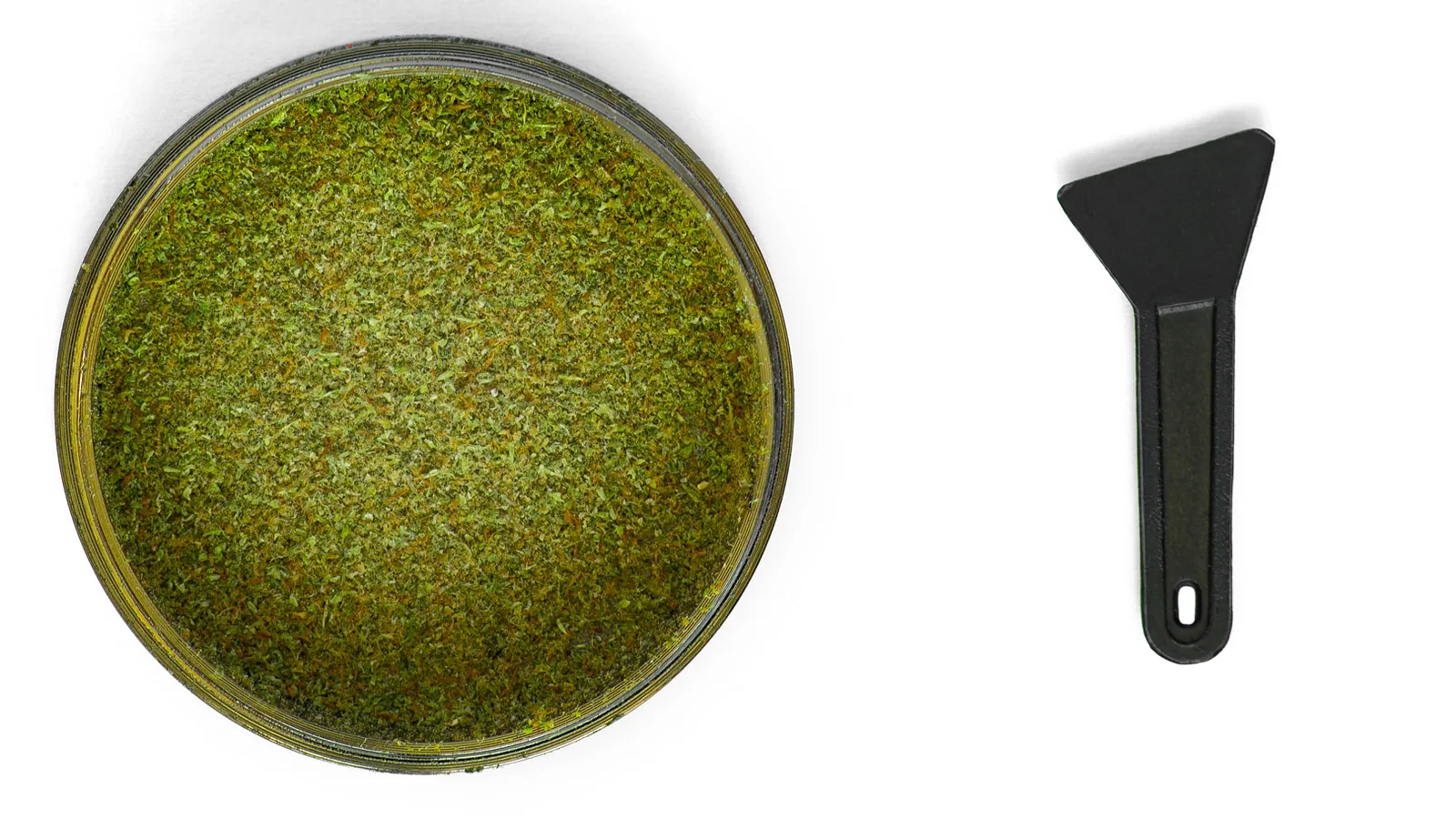
How to Decarb Fine Plant Material: Chart, Time & Temp
Fine plant material burns before it converts, so the window is narrow. The chart, the oven calibration, and the two machine presets that hold it.
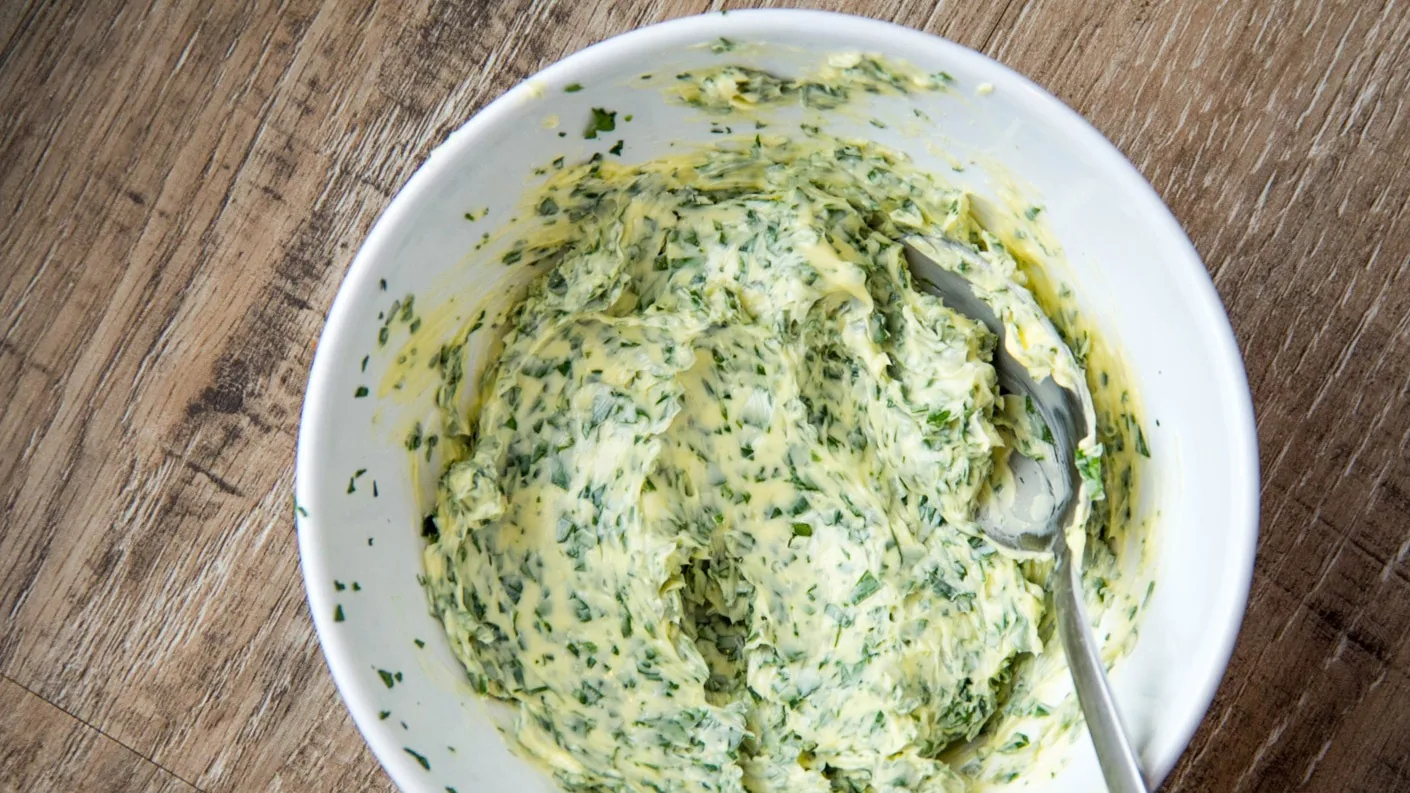
A Beginner’s Guide to Herb Butter
You don’t need to be a master chef to make herb butter at home. This beginner-friendly guide walks you through decarb and infusion, step by step.
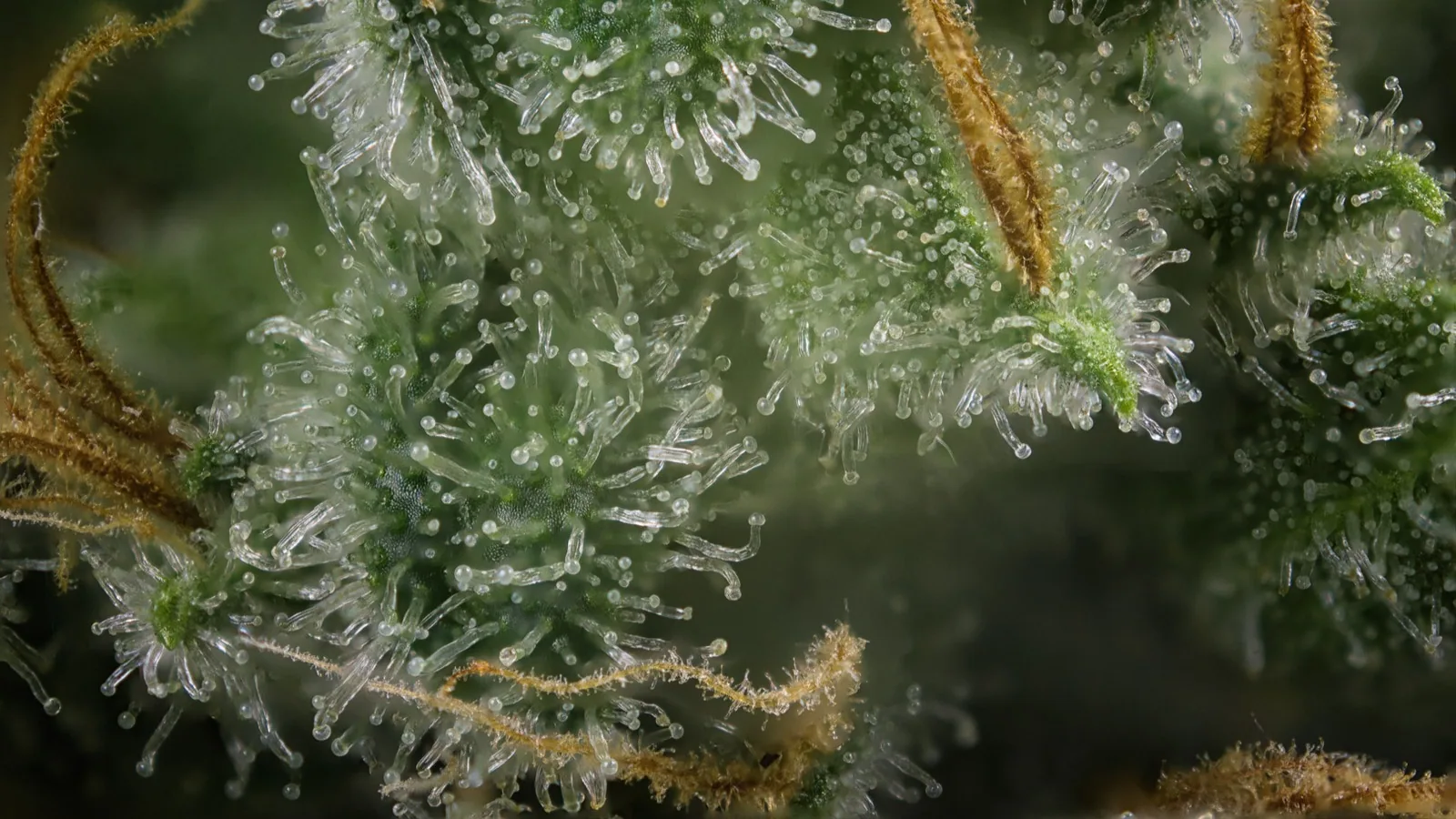
Does Decarboxylation Destroy Aroma Compounds?
An herb plant holds roughly 130 aroma compounds, each with its own boiling point. Decarb temperature decides how many survive, and where the ceiling is.
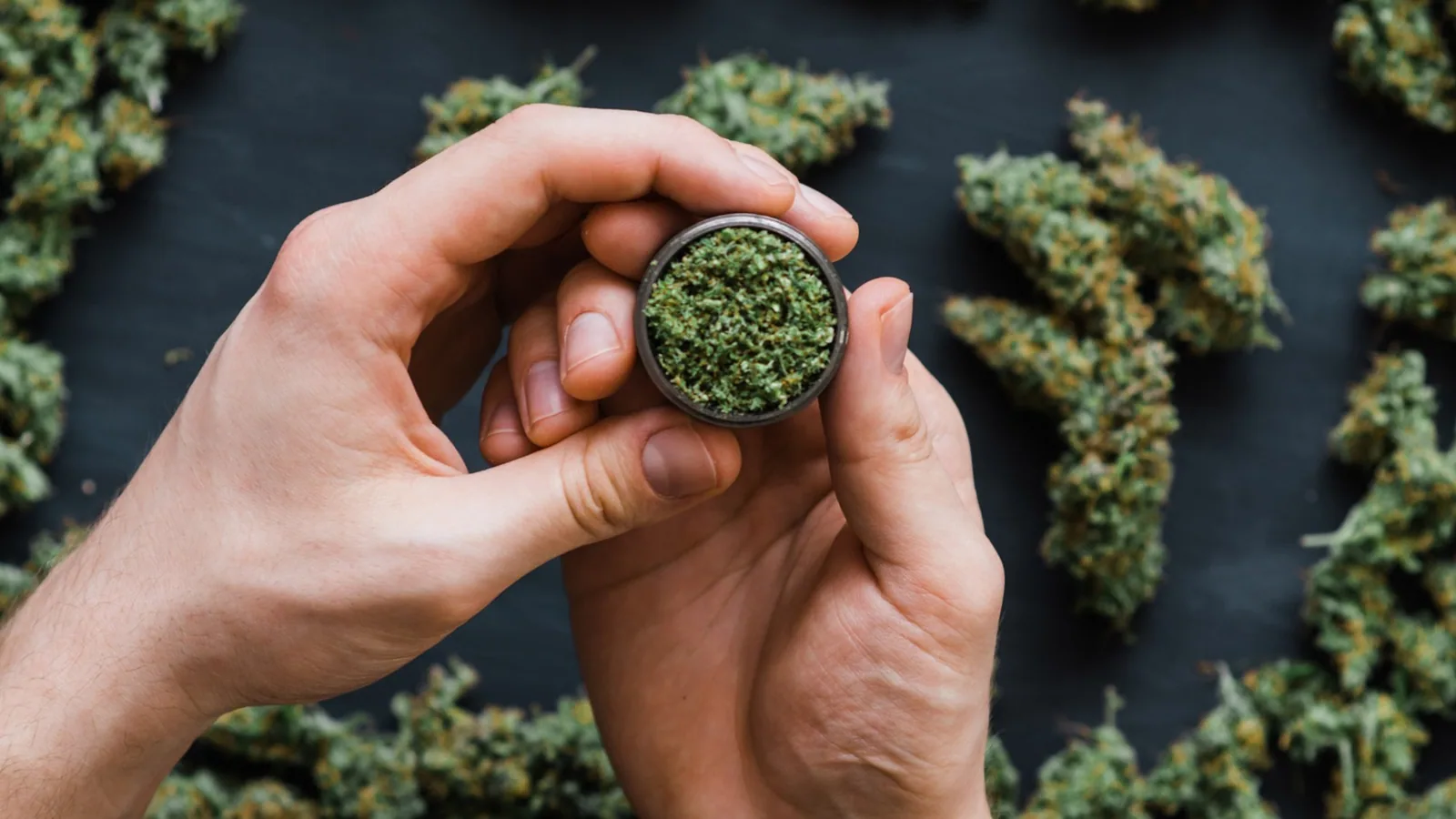
Can You Over Decarboxylate? 240°F, 30-40 Min
Past 240°F, or past 30-40 min at that heat, the compounds begin to break down. How to spot an over-run batch and stay inside the window.
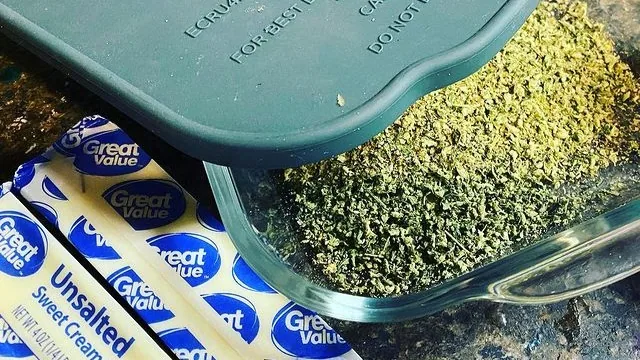
Decarboxylation: What You Need to Know
Decarboxylation is the key step before making infused treats or starting an infusion. ECRU gives you scientific control to get the most out of your herb.
Recommended equipment
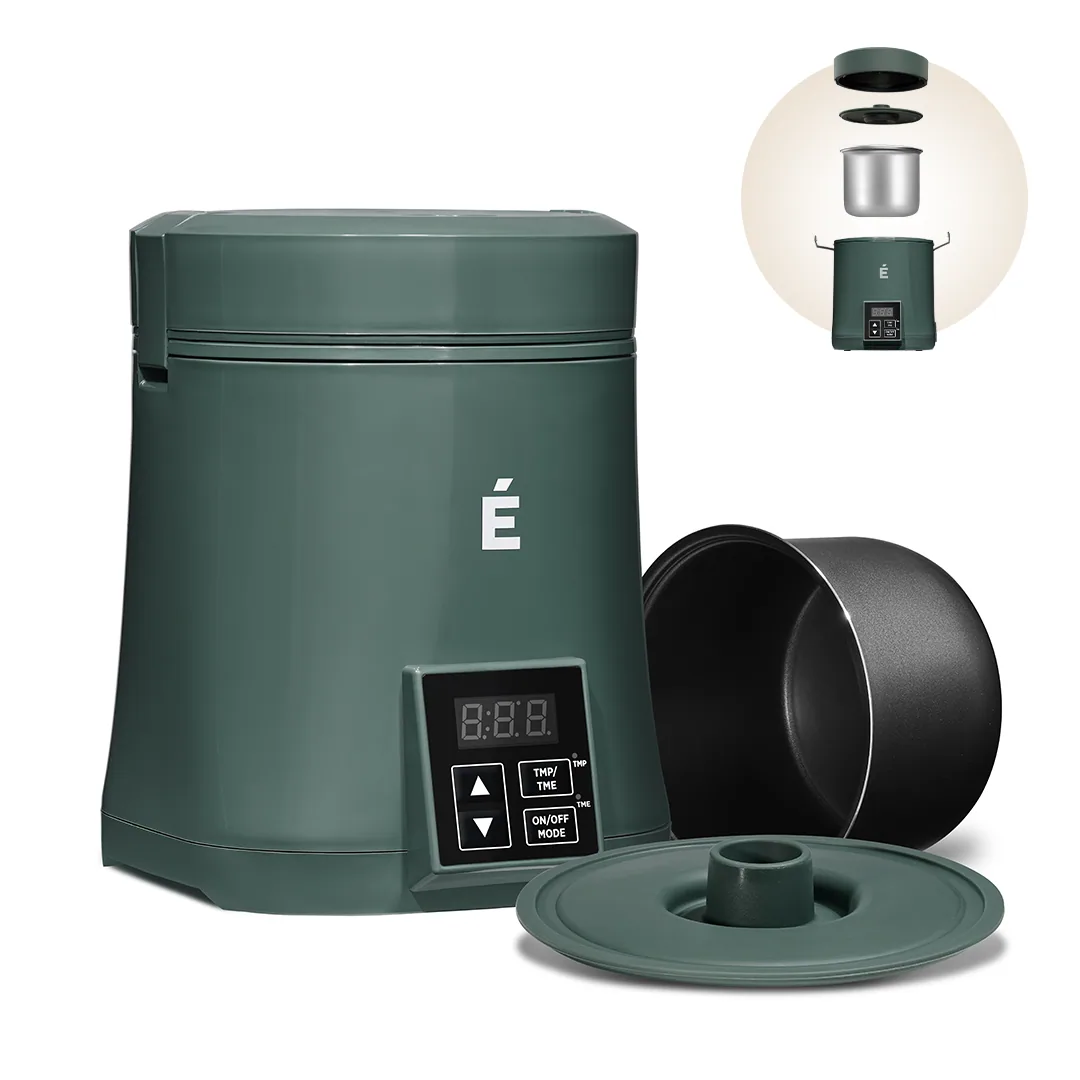
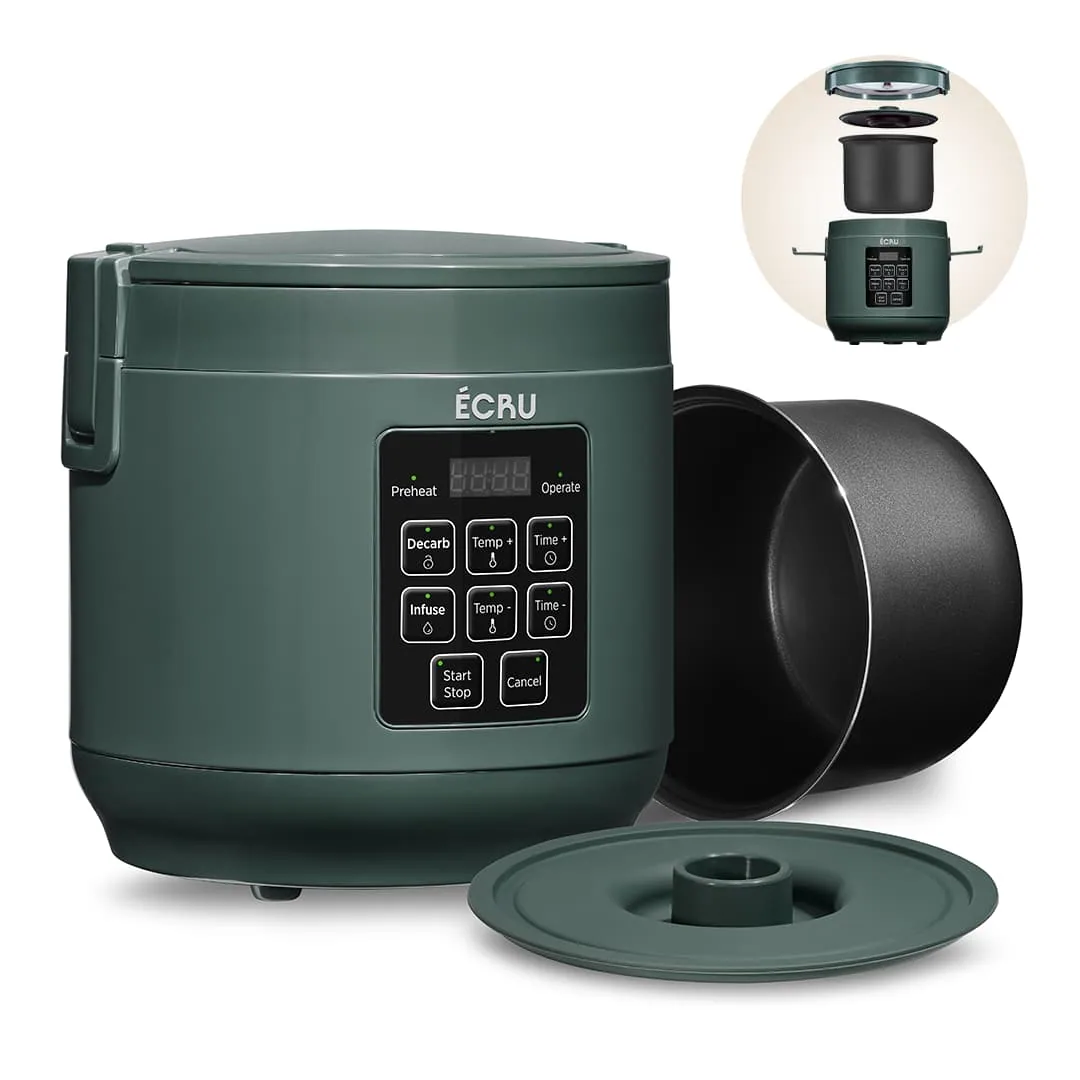
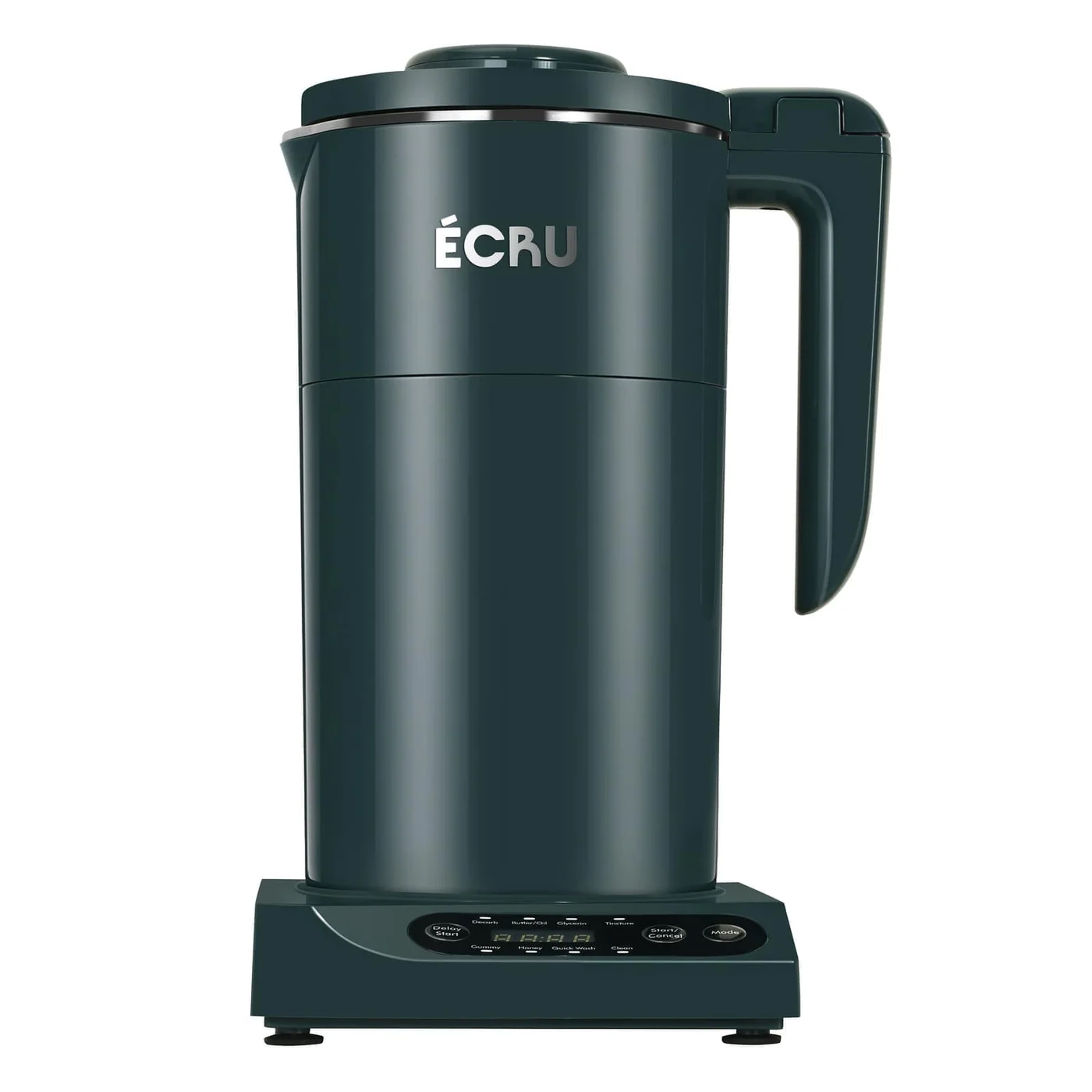
The machines these guides were written around: one decarboxylator for activation, one infuser for the carrier.